

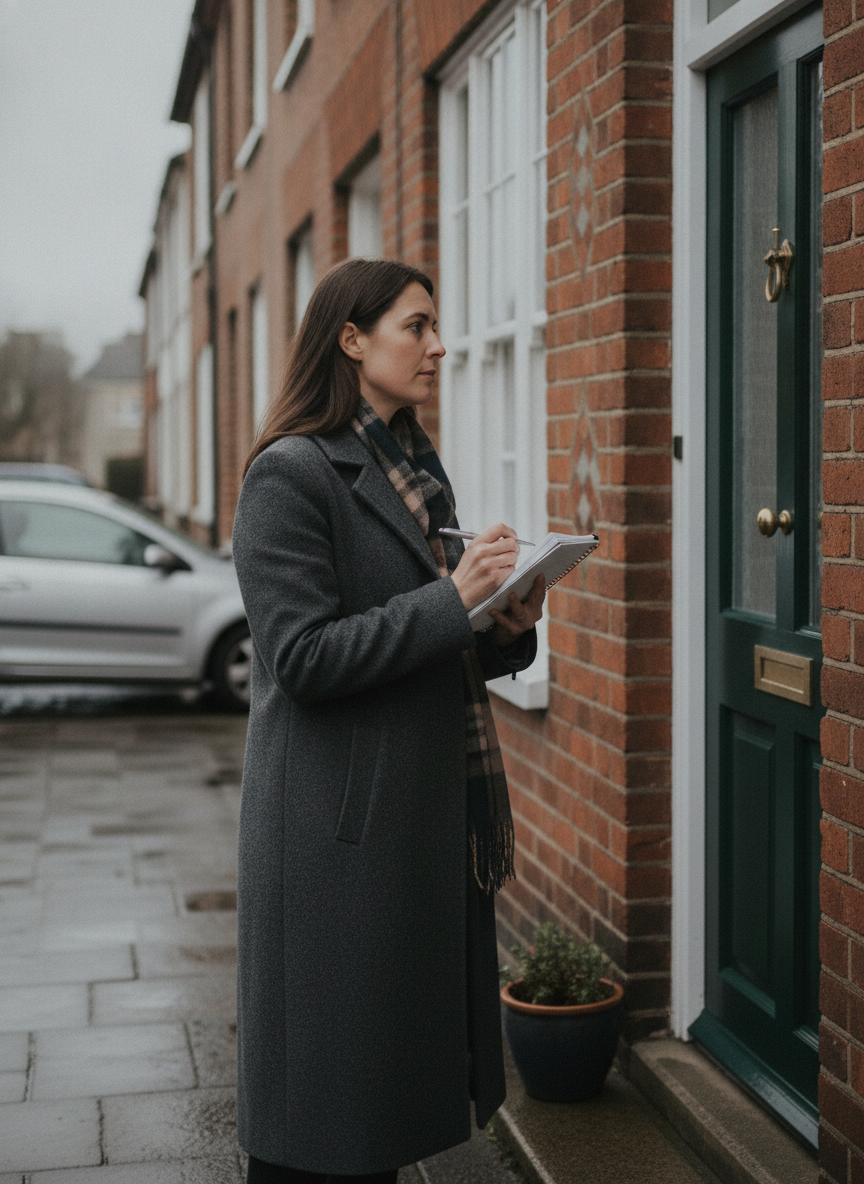
It is easy to fall in love with a property. The bay window lets in lovely morning light, the garden looks spacious, and the kitchen has the island you’ve always wanted. However, a phone call from the surveyor can quickly change the mood.
Most buyers in the UK focus on price, location, and potential. Yet, expensive structural or maintenance problems often lie hidden behind fresh paint, inside lofts, or under quick DIY fixes. According to Direct Line, UK homeowners spend an average of £12,367 on unexpected repairs within the first year of buying. Inspecting a home closely before making an offer can save you thousands of pounds in future costs.
At A New Day Real Estate, we help provide tailored solutions for all your residential and commercial property needs in Manchester. In this guide, we outline vital issues you need to check during a second viewing before you decide to buy.
Warning Signs to Check During Viewings
Buyers often overlook small clues that can lead to high costs later on. Here are five key areas where this can happen.
Sign 1: Structural Issues
Start with the basics. Hairline cracks above doorways are usually just cosmetic issues. However, stair-step cracks in brickwork can indicate subsidence, which insurance firms take seriously.
Walk through each room and pay attention to how the floor feels. A slope toward one wall, doors that stick, or windows that won’t close can signal problems. Use a marble or ball to test this; if it rolls, ask more questions.
Check the loft for hanging beams and view the roofline from across the street. A dipped ridge can lead to costly repairs you’ll want to avoid.
For a clearer understanding of how to spot ground movement early, take a look at this RICS consumer guide on identifying signs of subsidence.
For a visual representation, explore this visual guide that highlights common structural warning signs in UK homes.
Sign 2: Outdated Electrics and Safety Concerns
A modern unit has tiny switches and a Residual Current Device (RCD). An old fuse box with ceramic fuses means the home needs a full rewire. You can open the consumer unit cover and check which type of electrical systems are in place.
Count the number of sockets in each room. If there are only two sockets in the lounge, it will lead to using several extension leads. A full rewire for a three-bedroom home costs £4,450 to £8,000. Ensure you add this costing into your renovation or moving-in budget.
Before you make a purchase, ask for the latest Electrical Installation Condition Report (EICR) certificate. If the seller cannot provide one, plan for an inspection before the sale is completed.
Sign 3: Damp and Ventilation Problems
An earthy, sweet smell in a back bedroom is usually not from a candle. Check behind sofas, in wardrobes, and along the baseboards near outside walls.
Black spots around windows may show condensation. Tide marks low on a wall suggest rising damp. Bubbling paint near the chimney often means penetrating damp.
Damp can raise heating bills and worsen asthma. According to MyJobQuote, treatment costs mostly range from £300 to £1,500 for a damp proof course.
Sign 4: Hidden Hazardous Materials
If a property was built before 2000, it requires special attention. Asbestos was used in materials like textured ceilings, insulation boards, vinyl tiles, and pipe lagging until it was banned in 1999.
As long as asbestos remains sealed and undisturbed, it generally poses no immediate risk. The danger arises when you start drilling to install a new kitchen. Asbestos fibers can pose serious health hazards, and removing them should not be a DIY task.
In older homes, materials such as ceiling coatings or insulation boards may contain asbestos, so it is worth consulting specialists like advanceasbestosremoval.co.uk before committing to any renovation work.
Sign 5: Plumbing and Drainage Issues
Turn on all the taps and check the water pressure. Flush a toilet at the same time. If you notice a major pressure drop, your pipes might be too small, or the stopcock might be worn out.
Look under the sinks for any green stains, which can indicate slow leaks. If your house was built before 1970, it may have lead pipes that cost between £2,000 and £5,000 to replace.
Outside, if allowed, lift the drain covers. If you see standing water, it means the drains are blocked.
Quick Checklist for Buyers When Viewing A Property
Before making an offer, do these checks:
- Walk around the outside for stair-step cracks in the brickwork.
- Check each room for damp and musty smells.
- Test all doors, windows, electrical sockets, and taps.
- Take a photo of the consumer unit and the boiler label.
- Lift the drain covers outside (if allowed).
Conclusion
Careful property viewings are important to avoid future regrets. A good home takes time to find, but rushing into a purchase can lead to costly mistakes.
Treat each visit as a chance to gather key information. Visit the house on a rainy day, ask tough questions, and be ready to leave if the answers seem rehearsed.
Ready to find a home that holds its value? Contact us at A New Day Real Estate today.